5 Essential Features Every Occupational Health Software Platform Must Have
The right occupational health software can bring employee health records, medical workflows, incident management, and compliance information into one structured environment—helping organizations improve visibility, reduce administrative effort, and stay prepared for critical requirements.
Why Choosing the Right Occupational Health Software Matters
Occupational health operations involve far more than routine medical examinations. Organizations need to manage employee health records, appointments, assessments, medical reports, fitness certificates, workplace incidents, and compliance-related information throughout the employee lifecycle.
When these processes are managed through disconnected systems, spreadsheets, paper records, or manual workflows, important information can become difficult to access and difficult to track. A dedicated occupational health software platform provides a more structured approach by connecting these workflows within one controlled environment.
But not every occupational health platform provides the same level of functionality. For organizations evaluating an OHC platform, these five capabilities should be considered essential.
Centralized Employee Health Records
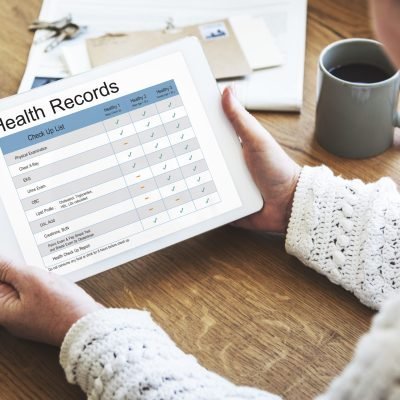
A reliable occupational health system should provide a structured record for every employee. Medical history, assessments, examination results, certificates, and relevant documentation should be organized in one controlled location.
Centralized records reduce dependency on fragmented information sources and make it easier for authorized teams to access accurate workforce health information when required.
Appointment & Assessment Management
Occupational health teams regularly coordinate medical appointments, examinations, assessments, follow-ups, and periodic evaluations.
Structured appointment management helps teams organize these activities, maintain visibility over upcoming assessments, and reduce unnecessary administrative work.
Medical Reports & Certificate Management
Occupational health operations generate important documentation, including medical reports, examination results, fitness certificates, and other supporting records.
Software should make it easier to generate, organize, retrieve, and manage these documents through a controlled and traceable workflow.
Incident Reporting & Follow-Up
Workplace health incidents need to be recorded consistently and followed through to resolution. A structured incident workflow allows teams to capture relevant information and maintain a clear history of actions taken.
This creates greater visibility for medical, HR, safety, and management teams while supporting better review and follow-up.
Dashboards & Compliance Insights
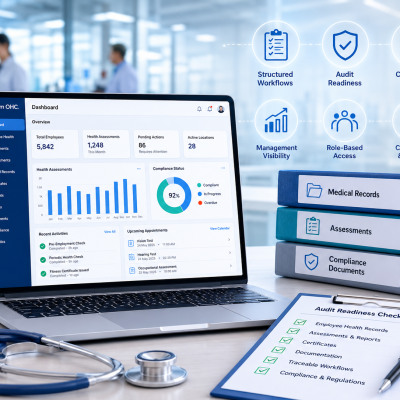
Enterprise occupational health teams need more than individual records. They need visibility into workforce health trends, pending assessments, incidents, documentation, and compliance-related activities.
Well-designed dashboards turn operational information into actionable insights for HR, medical, compliance, and management teams.
Effective occupational health software should do more than store information. It should connect people, records, workflows, and compliance activities so organizations can manage workforce health with greater visibility and accountability.
What These Capabilities Mean for Organizations
A well-structured occupational health platform can create benefits across medical, HR, compliance, and operational teams. Instead of treating occupational health as a collection of separate activities, organizations can manage it as one connected operational function.
How to Evaluate Occupational Health Software
Before selecting an occupational health management platform, it is important to evaluate how well it fits the organization's existing workflows and future requirements.
- Does the platform support centralized employee health records?
- Can medical appointments and occupational assessments be managed through structured workflows?
- Can reports, certificates, and supporting documents be managed efficiently?
- Does the platform provide structured incident reporting and follow-up?
- Can HR, medical, compliance, and management teams access the information relevant to their responsibilities?
- Does the system provide useful dashboards and operational visibility?
- Are access controls, governance, and information protection considered throughout the platform?
- Can the platform scale with additional locations, employees, workflows, and organizational requirements?
Building a More Structured Occupational Health Environment
As organizations manage increasingly complex workforce health requirements, occupational health software is becoming an important part of the digital infrastructure supporting HR, medical, safety, and compliance operations.
The most effective platforms are not simply digital record-keeping systems. They connect employee health information with clinical workflows, documentation, incident management, and organizational oversight—creating a clearer and more accountable way to manage occupational health at scale.
For organizations looking to strengthen workforce health management, the right platform can provide the foundation for more consistent operations and stronger compliance readiness.
Ready to Strengthen Your Occupational Health Operations?
See how Sodium OHC can help centralize workforce health records, medical workflows, incident reporting, and compliance oversight within one structured platform.