What Makes an Occupational Health Management System Truly Audit-Ready?
An audit-ready occupational health management system goes beyond digitizing medical records. It connects documentation, workflows, access, accountability, and compliance oversight into a structured operational environment.
For organizations managing occupational health across multiple locations, being prepared for an audit cannot depend on searching through spreadsheets, email threads, paper files, or disconnected folders. Audit readiness starts much earlier — with the way occupational health information is captured, organized, accessed, and maintained every day.
An occupational health management system should therefore do more than replace paper records with digital ones. It should create a consistent framework for managing employee health information, medical assessments, reports, certificates, workplace incidents, and follow-up actions.
For HR leaders, compliance teams, medical officers, and management, this structured approach can make occupational health operations easier to monitor and review.
What Does Audit-Ready Occupational Health Really Mean?
Being audit-ready means that relevant occupational health information can be located, understood, and reviewed when it is required. It also means that the organization can demonstrate how important processes are managed and who is responsible for them.
This requires more than having a large collection of documents. Records need context, workflows need structure, and access needs to be controlled.
Audit readiness is an operational discipline, not a last-minute document collection exercise.
Six Foundations of an Audit-Ready OHC System
While every organization may have different operational and regulatory requirements, a strong occupational health management system should provide several fundamental capabilities.
1. Centralized Employee Health Records
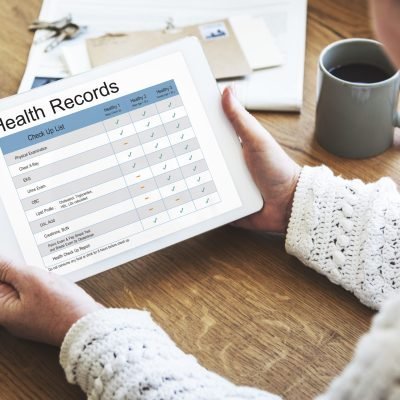
Employee health information is one of the most important components of occupational health management. When records are distributed across spreadsheets, physical files, emails, and separate applications, obtaining a complete view can become difficult.
A structured occupational health software platform should provide a controlled environment where relevant employee health information, assessments, medical history, reports, and certificates can be organized consistently.
Centralization also helps organizations maintain greater visibility when employees move between departments, locations, or occupational health programs.
2. Structured Medical Documentation
Occupational health operations generate a significant amount of medical documentation. Fitness certificates, examination reports, assessments, and supporting records need to remain organized throughout their lifecycle.
A reliable occupational health management system should make it easier for authorized teams to locate relevant documentation without relying on individual knowledge of where a particular file was stored.
The objective is not simply digital storage. It is creating an organized information environment that supports operational continuity and review.
3. Traceable Occupational Health Workflows
An audit does not always focus only on the final document. Organizations may also need to understand how an activity was performed, what assessment took place, what action followed, and whether the required follow-up occurred.
Assessment
Record the relevant occupational health examination or assessment.
Documentation
Maintain the resulting medical reports, certificates, and supporting information.
Action
Capture relevant recommendations, actions, and follow-up requirements.
Accountability
Maintain visibility into the responsible teams and status of important activities.
4. Role-Based Access and Information Control
Occupational health information is sensitive. Not every employee, administrator, or manager should have access to every type of information.
An enterprise occupational health platform should therefore support controlled access based on organizational roles and responsibilities.
HR teams, occupational health professionals, compliance teams, and management may each require different levels of visibility. Structuring access accordingly supports responsible information management while allowing teams to perform their roles effectively.
5. Management Visibility Across Locations
Large organizations rarely operate occupational health programs from a single location. Manufacturing facilities, hospitals, corporate offices, logistics operations, and other workplaces may each generate their own health activity.
Without consolidated visibility, management may struggle to understand workforce health activity across the organization.
A modern OHC platform can provide a structured view of relevant information across locations, departments, and workforce groups, helping decision-makers identify outstanding actions and operational trends.
6. Consistent Processes Across the Organization
Consistency is another important component of audit readiness. When every location follows a different process for appointments, assessments, documentation, or incident reporting, comparing and reviewing information becomes more difficult.
Structured occupational health workflows help establish greater consistency while still allowing organizations to adapt processes to their operational requirements.
Why Audit Readiness Should Start Before the Audit
One of the most common challenges organizations face is treating audit preparation as a separate activity from everyday occupational health operations.
If records have been consistently maintained, documents are organized, workflows are traceable, and responsibilities are clear, audit preparation becomes considerably more manageable.
The better approach is therefore to make audit readiness part of the underlying occupational health operating model.
An audit-ready organization does not need to rebuild its occupational health records when a review begins. The information is already structured for responsible access, review, and oversight.
How Sodium OHC Supports Structured Occupational Health
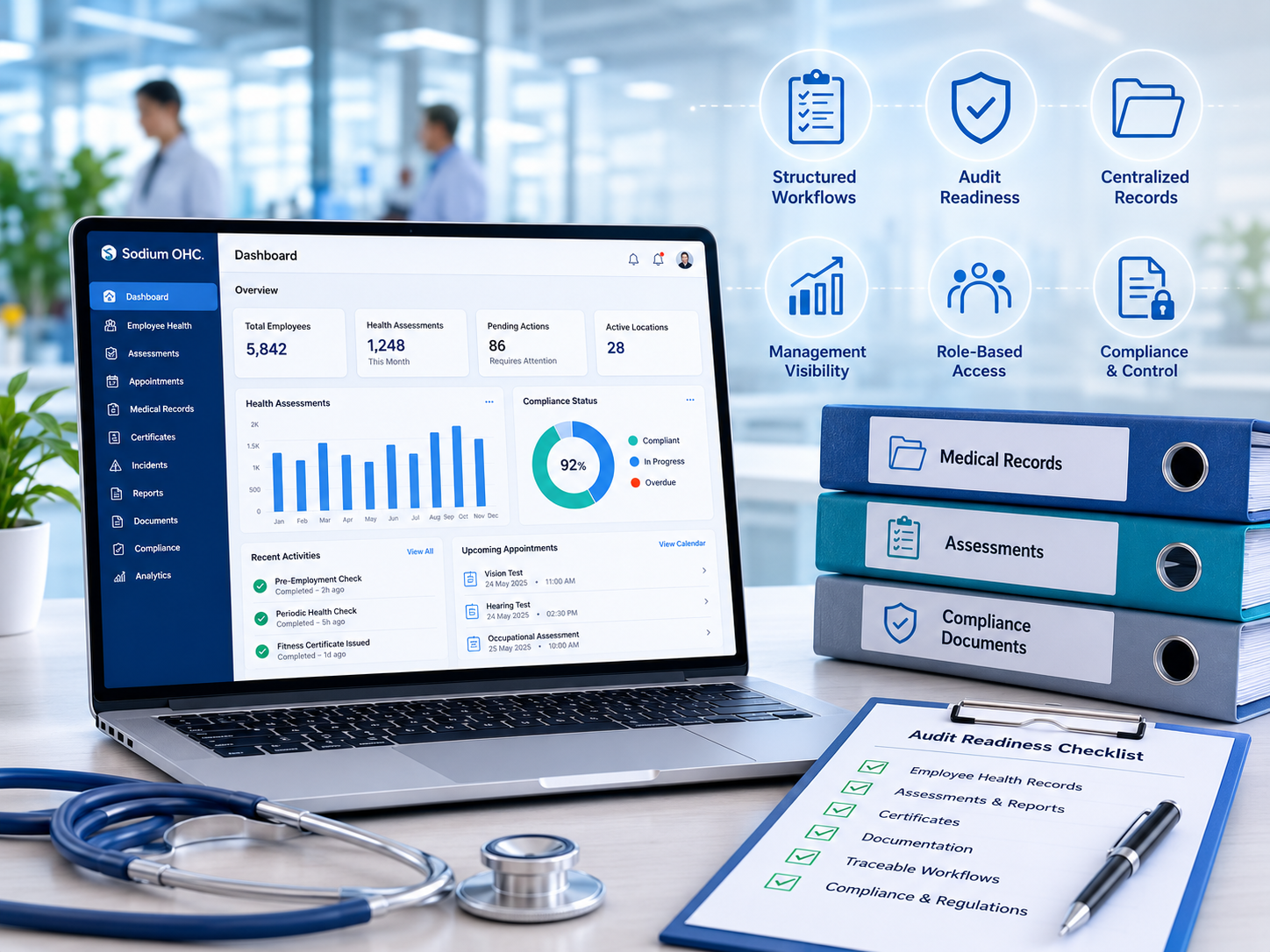
Sodium OHC is designed to bring the core activities of occupational health management into a structured digital environment. The platform brings together employee health records, appointments and assessments, medical reports and certificates, incident reporting, HR and compliance dashboards, and secure document management.
This approach gives organizations a more connected way to manage workforce health information while supporting visibility, accountability, and operational control.
For enterprises managing occupational health across multiple teams or locations, the goal is straightforward: create an environment where critical information remains organized and accessible to the people responsible for managing it.
Final Takeaway
A truly audit-ready occupational health management system is not defined by a single feature. It is defined by how well the entire occupational health operation is structured.
Centralized employee health records, controlled documentation, traceable workflows, role-based access, management visibility, and consistent processes together create a stronger foundation for occupational health compliance.
As workforce health operations become increasingly data-driven, organizations that invest in structured occupational health management can be better positioned to manage information, support their teams, and maintain readiness for organizational review.
Build an Audit-Ready OHC Environment
See how Sodium OHC can help structure employee health records, medical workflows, documentation, incidents, and compliance oversight across your organization.
Book a Demo